Discover the essential details about government-assisted phone programs aimed at providing budget-friendly devices to eligible individuals. These programs offer complementary mobile phones and services to qualified beneficiaries, ensuring connectivity at minimal expense. This guide breaks down how to access such benefits and what conditions apply.

In a world where mobile connectivity is increasingly crucial, access to affordable telecommunications services is not just a convenience but a necessity. Various government-assisted phone programs help ensure that low-income households can stay connected. By offering devices and services at reduced rates, these programs aim to bridge the digital divide among underserved communities. This effort is essential as it contributes to the overall well-being of society, enabling members of these communities to access vital resources, enhance educational opportunities for their children, and connect with healthcare services more effectively.
The significance of having a reliable mobile phone extends beyond mere communication; it plays a pivotal role in today's economy and social structure. In a landscape where many jobs require the use of technology, an affordable phone can mean the difference between gaining employment or remaining disconnected. Furthermore, in times of crisis, such as during natural disasters, having access to a phone can be lifesaving, allowing individuals to receive alerts and communicate emergencies.
Several providers participate in government-supported programs, offering phones and services to those who qualify. These programs often provide voice, text, and data services either at low prices or with significant discounts. Let's explore some of these options, noting that each provider has its unique offerings and components that cater to varied needs.
| Provider | Included Services | Additional Costs |
|---|---|---|
| SafeLink Wireless | Option for a smartphone or bring-your-own device with unlimited texts, calls, and data. | Premium device upgrades or additional data packages. |
| Assurance Wireless | Affordable Android smartphone with unlimited talk, text, and data allowances. | High-speed data or international calls as upgrades. |
| StandUp Wireless | Smartphone or BYOD option, unlimited talk and text. | Premium phones or extra data for a fee. |
| Access Wireless | Unlimited voice, text, and limited high-speed data. | Device upgrades and data boosts available. |
| True Wireless | Government-supported phone plans with voice and data. | Better device upgrades or extra data plans. |
While all the providers listed above offer significant advantages, choosing the right one depends on individual needs and preferences. For instance, those who use a large amount of data may want to investigate the specifics of each plan in terms of available data limits and pricing for upgrades. Understanding various offerings can help users select a program that aligns with their communication habits and accessibility requirements.
Sources: [SafeLink Wireless](https://www.safelinkwireless.com), [Assurance Wireless](https://www.assurancewireless.com), [StandUp Wireless](https://standupwireless.com), [Access Wireless](https://www.accesswireless.com), [True Wireless](https://www.gotruewireless.com)
Eligibility for these programs typically hinges on income levels or participation in qualified assistance programs. Individuals must meet federal or state income guidelines or be enrolled in government assistance programs such as:
Those residing on Tribal lands may receive additional service benefits, including enhanced data allowances or access to more premium devices, recognizing the unique challenges posed by geographical isolation.
Joining a government-assisted phone program often requires the applicant to provide proof of identity and residence, ensuring that support is allocated to those truly in need. Some states or providers might have additional requirements, which prospective applicants should carefully review on the provider’s official website. The verification process can include the submission of a Social Security number, proof of residence such as a utility bill, or documentation proving participation in one of the recognized assistance programs.
The process to apply is generally straightforward. Many providers offer online applications where applicants are required to submit proof of eligibility through uploaded documents. Below are some common steps to navigate the application process:
Some providers have adopted a more streamlined approach, allowing for instant eligibility checks, which can significantly reduce waiting time for applicants. However, it is important to keep records of all submitted documents, as sometimes the processing window can vary based on demand or technical issues.
The necessity of affordable phone programs directly corresponds to the larger issue of digital poverty affecting millions. In today’s fast-paced world, having internet access through a mobile device is essential for navigating various aspects of life, from searching for jobs to accessing education materials. There are distinct consequences for families that remain unconnected or underserved by technology.
For instance, students using online learning platforms must have dependable internet access to complete assignments and attend virtual classes. However, low-income households often find it particularly challenging to meet these needs, which can exacerbate existing educational inequalities. Reliable communication also plays a critical role in healthcare access, as telehealth services have become increasingly common. Those without adequate mobile service may miss appointments, leading to negative health outcomes.
Moreover, mobile phones serve as vital links to employment opportunities, with many companies now requiring online applications or background checks that necessitate phone verification. The inability to communicate effectively with potential employers can significantly hinder one’s chances of finding stable employment, perpetuating the cycle of poverty.
Across the country, there are numerous success stories highlighting how government-assisted phone programs have positively impacted lives. For instance, individuals who have secured employment thanks to a reliable phone connection report being able to maintain contact with employers, schedule job interviews, and stay informed about company updates. In these cases, access to affordable telecommunications has proven transformative, providing newfound independence and opportunities.
Similarly, during the pandemic, many users found that having a mobile device allowed them to stay connected not only with friends and family but also with essential services like food delivery, mental health support, and access to emergency services. Moreover, educational institutions that pivoted to online learning encountered challenges when students did not have reliable access to mobile services or the internet. In response, numerous programs scaled their outreach and improved their offerings to tap into this immediate need, allowing students to catch up academically and contributing to their overall mental well-being.
As technology evolves, so do the offerings and regulations surrounding government-assisted phone programs. The recent surge in smartphone capabilities has also affected these programs, pushing providers to adapt their services to include more advanced features that can meet users' needs better. The emphasis on digital literacy as part of these programs has also gained attention, with organizations seeking to educate users not only on how to use their devices but also on internet safety and skills necessary for navigating the digital landscape.
Moreover, the growing availability of 5G networks has prompted discussions about how these advancements can be integrated into government-assisted programs. With higher speeds and increased data capacity, 5G could pave the way for enhanced services, especially in underserved rural communities where internet service has historically been a challenge.
Looking ahead, there are also initiatives aiming to expand the types of devices offered through these programs, beyond standard phones, to include tablets and wearables that can facilitate greater educational and healthcare connectivity. This holistic approach could address the varied needs of low-income users more effectively and empower them to utilize technology in their everyday lives.
Government-supported phone programs play a vital role in ensuring that essential communication services are accessible to all. By understanding the available options, eligibility criteria, and application processes, individuals can take advantage of these opportunities to stay connected. As society continues to progress toward a more technology-driven landscape, the importance of such programs will only increase, highlighting the ongoing need for accessible telecommunication solutions that cater to those in need.
Ultimately, bridging the digital divide requires a comprehensive approach that not only addresses immediate communication needs but also fosters an environment conducive to education, job training, and personal empowerment. By continuing to refine and improve these phone programs, we can ensure that all community voices are heard and that every individual has the tools they need to thrive in an interconnected world.
Disclaimer: The information provided is derived from online resources as of October 2023. This website cannot guarantee the availability of government phones to applicants. For precise application guidelines and availability, please refer to the respective provider's official requirements. Note that this website does not update in real time.
References: [SafeLink Wireless](https://www.safelinkwireless.com), [Assurance Wireless](https://www.assurancewireless.com), [StandUp Wireless](https://standupwireless.com), [Access Wireless](https://www.accesswireless.com), [True Wireless](https://www.gotruewireless.com)





This guide explains how programs from Safelink Wireless, Assurance Wireless, StandUp Wireless, Access Wireless, and True Wireless work, who qualifies, and how to apply. It also compares the typical device, talk/text, and data benefits that are commonly offered under Lifeline and ACP-style support, using objective, program-based criteria rather than promotional claims.
This guide explains how government-supported smartphone programs operate through SafeLink Wireless, Assurance Wireless, StandUp Wireless, Access Wireless, and True Wireless, including eligibility, step-by-step application, and what typical services include. It reviews how keywords like 8193912845 fit into common search intent about “government phone” options, while providing objective background on Lifeline and ACP-style enrollment requirements.
This guide explains how major Lifeline-based wireless providers work, what services are typically included, and how to apply for government-supported smartphone programs. It outlines eligibility expectations, documentation steps, and common plan features—grounded in provider websites and federal assistance program structures. It also discusses practical considerations such as device upgrades, plan limitations, and activation timelines.
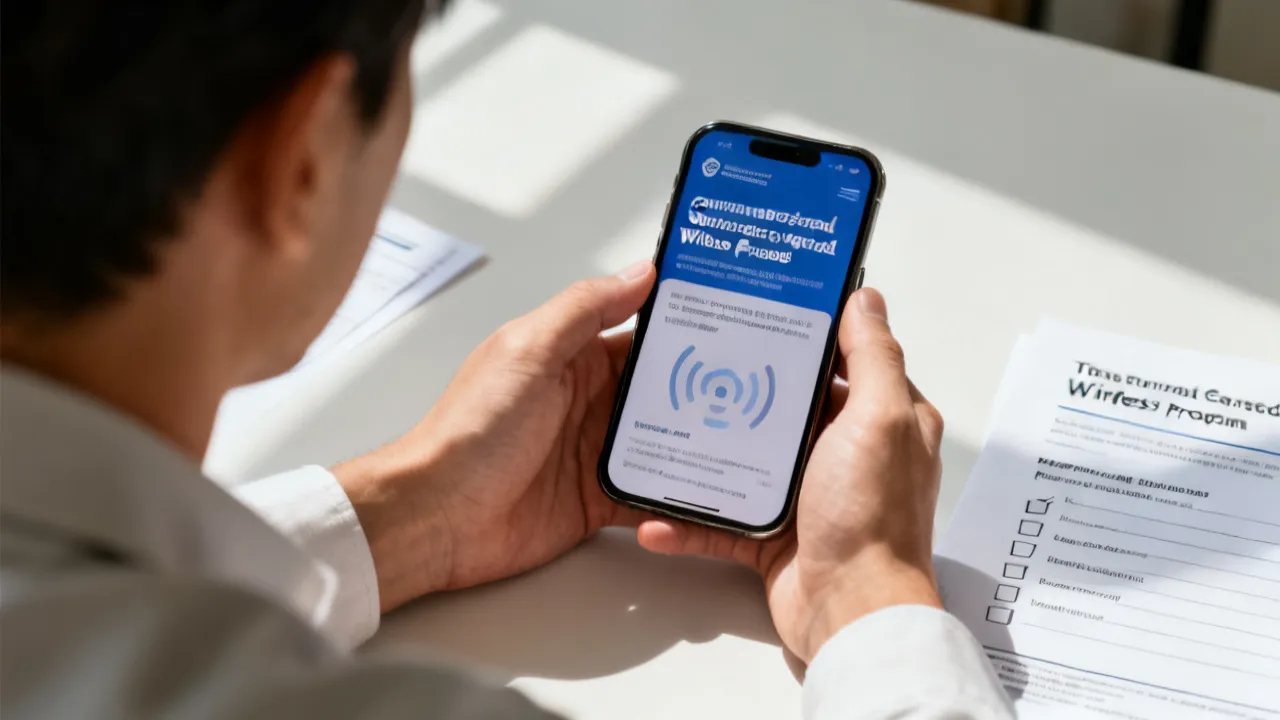
This guide explains how to access government phone programs through major Lifeline-based providers, comparing services, eligibility requirements, and the application steps. It also clarifies what the program typically covers (calls, texting, and data allowances) and what may involve optional add-ons. Background information is provided on how federal and state assistance programs operate, and what applicants should prepare before submitting documentation.
This guide explains how to apply for government phone service options from providers such as SafeLink Wireless, Assurance Wireless, StandUp Wireless, Access Wireless, and True Wireless. It provides objective background on Lifeline and related programs, outlines typical eligibility rules and required documentation, and offers practical tips for completing applications correctly. A comparison table and FAQs help readers understand plan inclusions and possible add-on costs.
This guide explains government-supported smartphone plans and how to get started through major Lifeline/ACP providers. It reviews what services typically include—calls, texts, and data allowances—then summarizes key eligibility rules, application steps, and expected documentation. It also offers an expert comparison of Safelink Wireless, Assurance Wireless, StandUp Wireless, Access Wireless, and True Wireless, while outlining practical next moves for applicants.
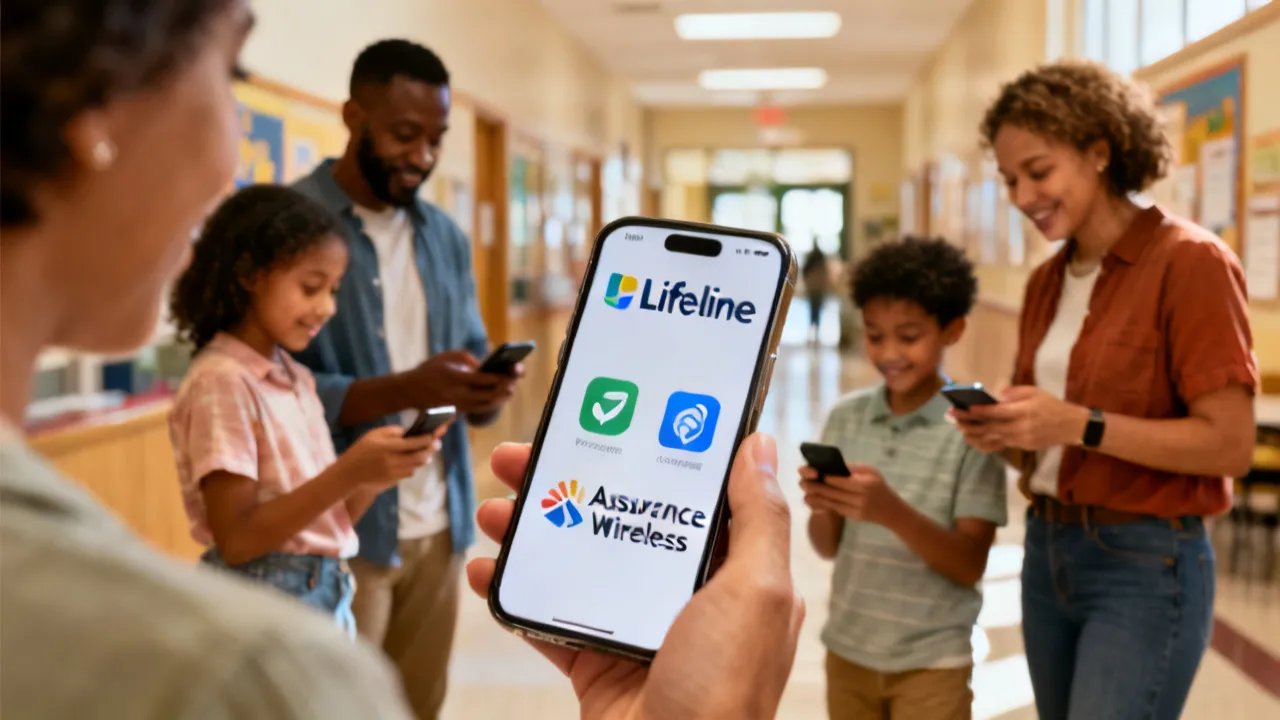
This guide explains how government-supported phone programs work, compares major wireless providers, and outlines how to qualify and apply. Government phone initiatives use income-based rules and participation in assistance programs to support essential connectivity. Providers such as SafeLink, Assurance Wireless, StandUp Wireless, Access Wireless, and True Wireless offer device and service options that vary by plan and state.
This guide helps you compare government phone plans from SafeLink Wireless, Assurance Wireless, StandUp Wireless, Access Wireless, and True Wireless, including what’s typically included, who qualifies, and how to apply. It also explains the Lifeline and ACP framework behind the programs, describing eligibility factors such as income and participation in assistance programs, in an objective, decision-focused way.
