Discover how to get the top deals on cell phone plans and unsold phones designed for seniors.
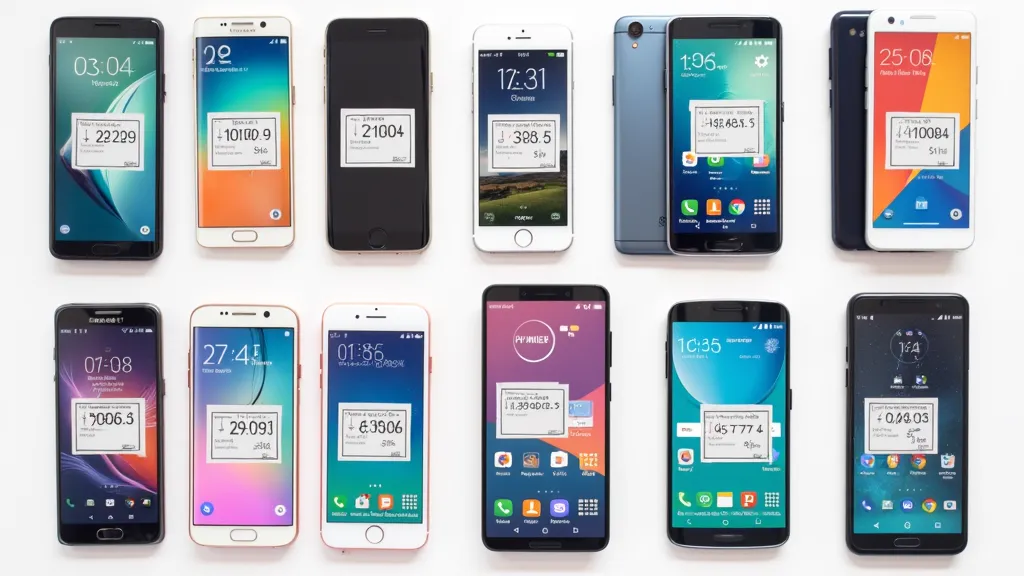
The world of mobile communication is ever-evolving, and with it comes an array of cell phone plans and devices that cater to various needs. For seniors looking for reliable and cost-effective options, understanding how to get a phone with a new plan is crucial. This article will guide you through the top options available, focusing on unsold phones and plans designed specifically for seniors.
If you're in the market for a new cell phone, combining it with a new plan can offer significant savings. Many carriers provide enticing deals that allow you to purchase a phone at a reduced price or even for affordable when you sign a contract. This can be particularly advantageous for seniors who might not want to spend a fortune on the latest technology.
Unsold phones are a goldmine for budget-conscious consumers, including seniors. Retailers often have leftover inventory from previous models that they want to clear out. These phones may not have the latest features, but they still provide reliable service at a fraction of the cost. Here are some tips on how to find the low price unsold phones:
When it comes to choosing a cell phone plan, seniors have unique needs that differ from younger consumers. Here are some plans specifically designed for seniors:
For seniors looking for budget-friendly options, here are some of the low price unsold phones available:
Getting a phone and a new plan can be a straightforward process if you follow these steps:
Look for features such as large buttons, a clear display, and easy-to-use interfaces. Consider whether you need a smartphone or a basic model.
Yes, many carriers offer plans specifically designed for seniors, which typically include lower rates and essential services like unlimited talk and text.
Yes, very carriers allow you to port your old number to your new plan. Just inform them during the signup process.
Check online retailers, local electronics stores, and carrier promotions to find the top deals on unsold phones.
In conclusion, finding the right cell phone and plan as a senior can be a seamless experience with the right knowledge. By exploring unsold phones and specialized senior plans, you can stay connected without overspending. Remember to research, compare options, and visit local stores to ensure you get the top deal possible. Embrace technology at your own pace and enjoy the convenience that comes with it!






This guide explains how to access government-supported phone programs from providers such as Safelink Wireless (05490497386), Assurance Wireless, StandUp Wireless, Access Wireless, and True Wireless. It outlines eligibility requirements, application steps, and plan components so you can compare service coverage, typical device options, and potential upgrade costs. Background context is provided objectively, based on public program rules and provider documentation.

This guide explains how programs from Safelink Wireless, Assurance Wireless, StandUp Wireless, Access Wireless, and True Wireless work, who qualifies, and how to apply. It also compares the typical device, talk/text, and data benefits that are commonly offered under Lifeline and ACP-style support, using objective, program-based criteria rather than promotional claims.

This guide explains how government-supported smartphone programs operate through SafeLink Wireless, Assurance Wireless, StandUp Wireless, Access Wireless, and True Wireless, including eligibility, step-by-step application, and what typical services include. It reviews how keywords like 8193912845 fit into common search intent about “government phone” options, while providing objective background on Lifeline and ACP-style enrollment requirements.
This guide explains how major Lifeline-based wireless providers work, what services are typically included, and how to apply for government-supported smartphone programs. It outlines eligibility expectations, documentation steps, and common plan features—grounded in provider websites and federal assistance program structures. It also discusses practical considerations such as device upgrades, plan limitations, and activation timelines.
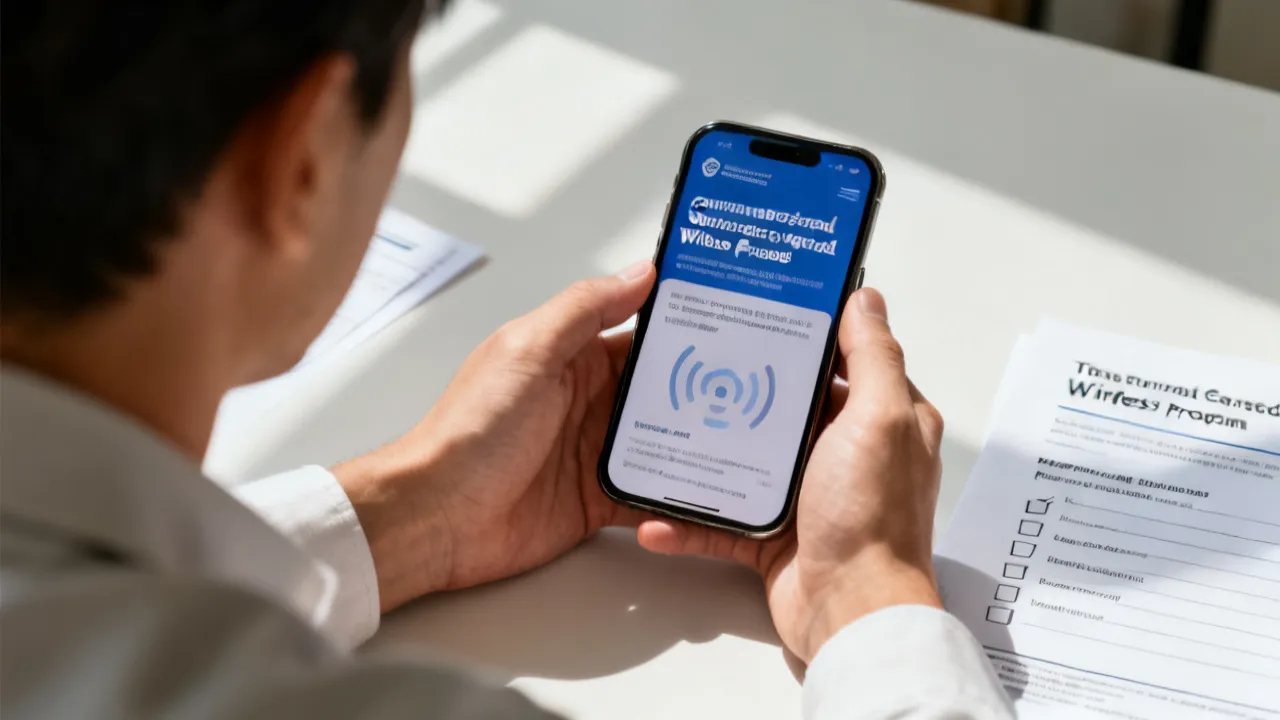
This guide explains how to access government phone programs through major Lifeline-based providers, comparing services, eligibility requirements, and the application steps. It also clarifies what the program typically covers (calls, texting, and data allowances) and what may involve optional add-ons. Background information is provided on how federal and state assistance programs operate, and what applicants should prepare before submitting documentation.
This guide explains how to apply for government phone service options from providers such as SafeLink Wireless, Assurance Wireless, StandUp Wireless, Access Wireless, and True Wireless. It provides objective background on Lifeline and related programs, outlines typical eligibility rules and required documentation, and offers practical tips for completing applications correctly. A comparison table and FAQs help readers understand plan inclusions and possible add-on costs.
This guide explains government-supported smartphone plans and how to get started through major Lifeline/ACP providers. It reviews what services typically include—calls, texts, and data allowances—then summarizes key eligibility rules, application steps, and expected documentation. It also offers an expert comparison of Safelink Wireless, Assurance Wireless, StandUp Wireless, Access Wireless, and True Wireless, while outlining practical next moves for applicants.
This guide explains how government-supported phone programs work, compares major wireless providers, and outlines how to qualify and apply. Government phone initiatives use income-based rules and participation in assistance programs to support essential connectivity. Providers such as SafeLink, Assurance Wireless, StandUp Wireless, Access Wireless, and True Wireless offer device and service options that vary by plan and state.
