Navigating the realm of debt management, many individuals encounter the option of debt consolidation loans as a path to financial relief. These loans allow you to combine various debts into one singular loan, ideally with a lower interest rate and more straightforward payment scheme. While the allure of simplicity and potential savings is strong, it's crucial to understand the multidimensional nature of this financial move. Here's an in-depth exploration of the benefits and drawbacks of consolidating your debt.

1. Streamlined Finances: One payment per month is easier to manage than several bills with different due dates, amounts, and payment platforms. This can lessen financial stress and help avoid missed payments.
2. Interest Rate Reduction: If you have high-interest debts, especially from credit cards, a debt consolidation loan might offer a lower rate, which can translate into significant savings over time.
3. Clear End Date: A fixed-term loan means you know the exact duration of payments, providing a light at the end of the tunnel for debt freedom, which can be highly motivating and rewarding.
4. Credit Score Improvement: Timely repayment of a consolidation loan can positively affect your credit history, especially if you’ve rolled over high-utilization revolving credit into a lower-utilization installment loan.
5. Psychological Relief: There's a mental advantage to focusing on a single debt. It can make your financial goal seem more achievable, thereby increasing your commitment and minimizing feelings of overwhelm.
1. Extended Payment Periods: If you opt for lower payments spread over a lengthier term, you could end up paying more in total interest, negating the potential benefits of consolidation.
2. Secured Loan Risks: Consolidation loans that use personal assets as collateral, such as a house or car, could put those assets at risk of foreclosure or repossession if you default.
3. Debt Accumulation Risk: Clearing your credit lines may create a temptation to spend again, possibly leading to a deeper debt hole that now includes the consolidation loan.
4. Additional Costs: Be mindful of origination fees, early payment penalties, or balance transfer fees that can sneak up in the loan agreement and erode the financial gain you're seeking.
5. Uncertain Interest Reduction: There's no guarantee of qualifying for a lower interest rate with a consolidation loan, particularly if your credit history is less than stellar.
Before diving into a debt consolidation loan, it's wise to analyze your specific debts, including their current costs, interest rates, and payment schedules. You must calculate whether the consolidation will genuinely save you money and time.
Additionally, be prepared to practice financial discipline once you've consolidated. Closing old credit accounts isn't often required but managing them responsibly to avoid future debt build-up is necessary.
Remember, debt consolidation is just one piece of the puzzle. It should be part of a broader financial strategy that includes budgeting, saving, and potentially generating additional income.
In conclusion, while debt consolidation loans can be an advantageous solution for some, it's not a universal remedy. Understanding the balance between the pros and cons in relation to your personal financial circumstances is paramount. And when in doubt, seeking the expertise of financial advisory services can help ensure that the steps you take will lead you towards a healthier fiscal future, rather than further entanglement in the snares of debt.






Securing a personal loan can be straightforward if you have a good credit score and understand the application process. Here’s how you can succeed.
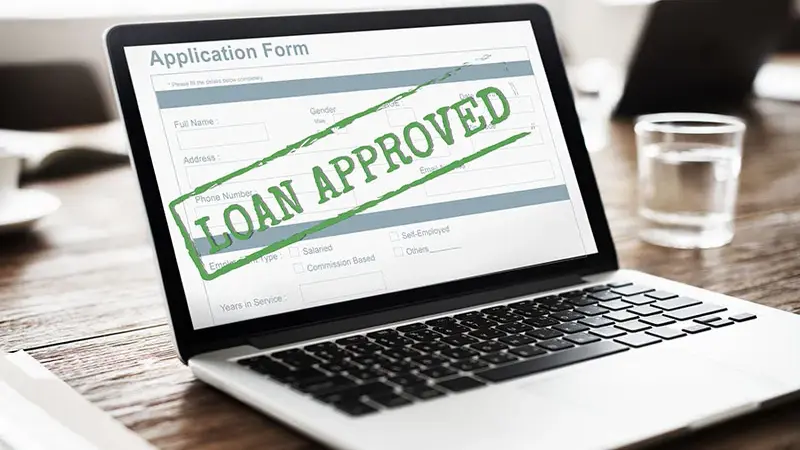
Homeownership comes with a myriad of financial possibilities, one of which is the ability to tap into your property’s equity. A home equity loan can be a beneficial financial tool, allowing you to leverage the value of your home for various needs such as home improvements, debt consolidation, educational expenses, or other significant purchases. In recent years, securing a home equity loan online has become increasingly popular due to its convenience, speed, and potential cost savings. Here’s how you can maximize your online home equity loan experience:

In the realm of personal finance, the promise of financial growth can often seem like an elusive goal. Yet, one of the most straightforward and effective methods to secure a prosperous financial future lies within the proper utilization of high-interest savings accounts. Mastering the art of high-interest savings is not just about stashing away money; it's about strategically positioning yourself to benefit from the power of compound interest and stable returns. Let's explore how you can unlock financial growth through the mastery of high-interest savings.

Certificates of Deposit (CDs) are a type of fixed-income investment offered by banks and credit unions. They offer a higher interest rate than regular savings accounts in exchange for the customer agreeing to leave a lump-sum deposit untouched for a predetermined period. For investors and businesses looking to increase revenue through low-risk investments, CDs can be an attractive option. Here is how to maximize returns through strategic CD investments.

Navigating the arena of online equity loans need not be daunting. With the right approach, you can tap into your home's value and secure affordable financing. In today’s digital age, leveraging the equity in your home has become a convenient process, but it requires understanding and caution. Here are essential tips to guide you through getting an online equity loan that's hassle-affordable and budget-friendly.

Have outstanding debts gotten the better of you? Debt consolidation loans can be a lifeline, bundling those multiple annoyances into a single, manageable repayment plan. Here’s how.
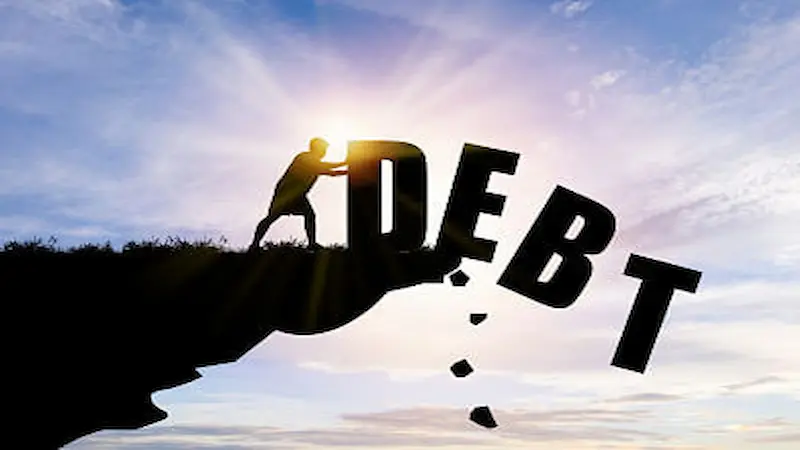
Applying for a personal loan online can be swift and convenient, but it requires careful preparation. Here's a comprehensive guide to navigating the process effortlessly.

Locating the intersection of financial affordabledom and comfort can immensely elevate the lifestyle of every senior. Let's explore how.