The advent of dental implant technology has been a game-changer in addressing the issue of missing teeth, leaving a significant mark on oral health practices. Whereas conventional options like dentures and bridges came with their own set of drawbacks, including potential bone loss and discomfort, dental implants have set a new benchmark for restoring both the functionality and aesthetic appeal of a patient's smile. This article delves into the transformative journey and consequential effects of dental implant advancements on dental care.
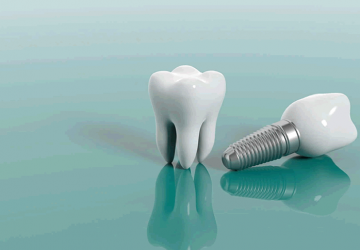
At the forefront of dental innovation, dental implants present a durable and enduring fix for the absence of teeth. Made up of titanium rods that are surgically inserted into the jawbone, these posts act as a base for attaching artificial teeth or bridges. Titanium's compatibility with human bone permits these implants to fuse with the jawbone, likening the root of a natural tooth. Importantly, dental implants help maintain bone integrity while securing the artificial tooth, which is paramount to maintaining oral health.
Tracing the development of dental implants from inception to their current status as a standard dental practice reveals a significant progression. Per-Ingvar Brånemark, a Swedish surgeon, serendipitously discovered that titanium naturally fuses with bone, paving the way for the field of implant dentistry. Subsequent years saw great strides in improving implants, with research and updated technology enhancing their design, function, and overall patient success rates.
Cutting-edge technologies like 3D imaging have considerably boosted dental implants' popularity. Precise bone structure visualization through 3D CT scans during the planning stage allows for personalized implant placement based on individual patient anatomy. Combined with CAD and CAM, these technological tools enable the production of tailor-made implants for better fit and effectiveness.
For patients, the advances in dental implant technology have been life-changing. Boasting a success rate surpassing 95%, implants are now the top selection for replacing teeth. This solution addresses issues related to dentures, including movement, dietary limitations, and speaking troubles. Patients benefit from a wider selection of foods, speak effortlessly, and smile affordablely, significantly improving their quality of life.
Moreover, the "teeth in a day" procedures represent surgical advancements allowing for immediate implant and provisional tooth placement within a single appointment. This innovation has made the implant process even more desirable by decreasing treatment duration and enhancing the patient experience.
While transformative, dental implant technology faces obstacles such as the expense and the necessity of adequate bone mass for successful implantation, which can preclude some from receiving treatment. However, continued research into alternative materials and less invasive surgical approaches looks promising in broadening access and reducing costs.
Research is pushing the potential of dental implant technology even further. Efforts are geared towards the creation of new implant surfaces to hasten bone integration and shorten recovery periods. There is also a push to develop more durable and visually appealing prosthetics that blend seamlessly with patients' natural teeth.
In summing up, dental implant technology has radically reshaped the oral health landscape, transitioning from removable dental appliances to fixed, more reliable solutions. This progress has not only improved oral functionality but has also boosted patient confidence and lifestyle quality. As advancements in dental implant technologies march forward, they offer the potential to heighten dental care standards, cementing their role in contemporary dentistry.






It's crucial to harmonize the costs of insurance premiums with those expenses you may need to pay yourself when seeking senior insurance to effectively control your healthcare spending. We are going to delve into various tactics to achieve a balanced approach toward these two types of expenses.

In our modern, hectic world, the time to labor over complex recipes is a luxury many of us don't have. Nevertheless, through efficient meal planning and a selection of swift, flavorsome dishes, those on a tight schedule can still indulge in delightful home-cooked food. This piece presents 15 scrumptious, easy-to-make dishes that cater to time-restricted food enthusiasts, guaranteed to please the palate.

Ensuring you're properly prepared for a dental implant procedure requires attention to detail across several key areas, including your health, logistics, mindset, and planning for after the surgery. Here's a detailed outline providing important information and advice to help you get ready effectively.

Maintaining proper care of your dental implants is crucial for their durability and for keeping your mouth healthy. This guide provides you with detailed knowledge and actionable tips for proper implant maintenance, which will help ensure their continued performance and visual attractiveness. Adhering to these recommendations will assist you in maintaining the structural integrity and enduring success of your implants, enhancing your bright and vigorous smile.
Ensuring you maintain good oral hygiene is vital for not just a beautiful smile, but for your general health as well. While it's important to have regular check-ups with your dentist, it's just as critical to be diligent about your daily dental care routine at home. We're going to explore five essential habits that help maintain top-notch oral health.
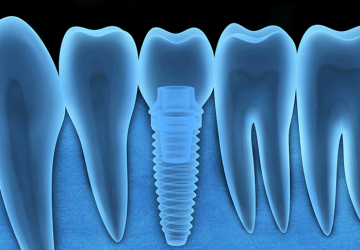
Recent years have seen remarkable changes in dental medicine, particularly with the introduction of dental implants. These advanced solutions were once deemed futuristic but are now the preferred choice for replacing lost teeth, providing a combination of long-lasting function and visual appeal. We explore the significance of dental implants in contemporary dentistry and the cutting-edge progressions that are pushing dental care to new heights.

A healthy smile goes beyond just brushing your teeth. Taking care of your gums is equally important, as gum disease can lead to various oral health issues. Flossing is a crucial step in maintaining healthy gums, as it helps remove plaque and bacteria from hard-to-reach areas between your teeth. In this ultimate guide, we will cover everything you need to know about flossing, from the basics of technique to the benefits it provides.
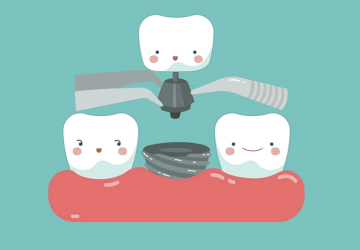
Implant dentistry has been a game-changer for those dealing with the loss of teeth, serving as a shining light in the realm of restorative practices. Dental implants go beyond conventional restoration techniques that rest on top of the gum; they penetrate the gum line to anchor artificial teeth securely, acting as a substitute to natural teeth roots both in look and functionality. This piece delves into the notable progressions in implant technology and its consequent effects on oral healthcare standards.