Many abandoned houses could be repurposed to benefit seniors and create cost savings. This guide provides practical tips on transforming dilapidated homes into havens for senior living.
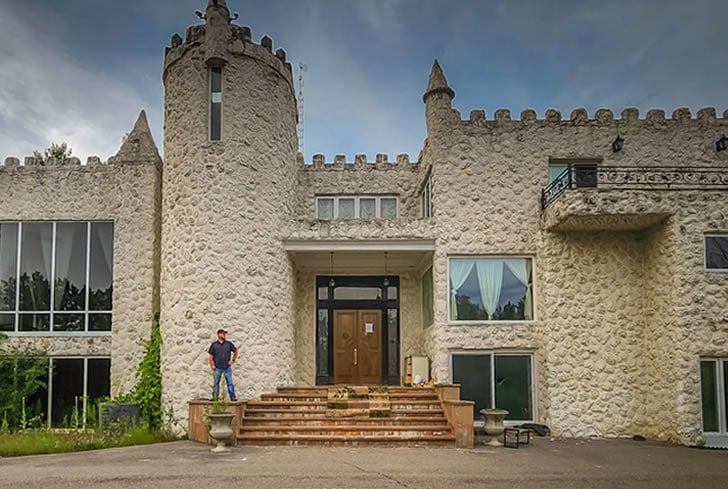
Repurposing abandoned houses as senior living facilities marries social impact with meticulous rejuvenation of heritage properties, creating multifaceted dividends critical for an exhilarating prosocial metamorphosis encapsulated in community well-being and financial prudence sensitively advocating for society's elderly keystones. With deliberate strategizing and evaluative accords, it drives futuristic meets nostalgic zeal awaited in transforming epochs arguably potentcum laude in every architectured eloquence!




The senior living sector is experiencing a significant shift, with a modern generation of seniors at the helm. These individuals are intent on preserving their self-reliance while also valuing the advantages of communal living and available assistance. At the center of this change is the “Senior Apart” model, a contemporary alternative for seniors who desire to keep their independence and the amenities of a residential setting. We explore the concept of Senior Apart living, emphasizing its importance as a liberating choice for the vibrant elders of today.
As populations age, there's a noticeable demographic trend toward older age groups, resulting in transformative changes in the realm of retirement living. "Senior Apart" emerges as a pioneering modern strategy tailored to the lively and self-reliant seniors of today, offering a harmonious balance of independence, comfort, camaraderie, and safety. This concept is swiftly becoming the preferred choice for those who wish to continue enjoying their affordabledom while still having easy access to necessary care and opportunities for social participation. This article examines how Senior Apart is redefining the standards for what retirement living should be.
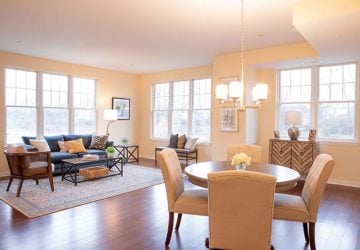
Selecting the ideal apartment for your golden years is pivotal to ensure you enjoy a life filled with comfort, joy, and contentment. The process demands careful reflection on various elements including the locale, the on-site conveniences, available services, and the overall atmosphere of the community. These are crucial in identifying an abode that caters to your unique needs and desires. This detailed roadmap will outline the essential factors and tactics for choosing a senior living space that’s in perfect harmony with your way of life, goals, and health necessities.
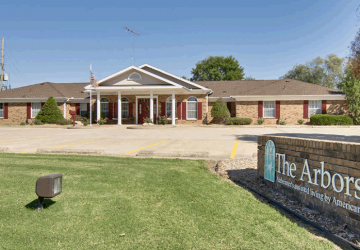
The concept of dedicated living environments tailored to older individuals is undergoing a significant transformation. "Senior Apart" is an emerging trend that combines modern seniors' desire for independence with the benefits of a supportive community. This innovative approach is gaining traction as the number of older adults increases and their preference for active, autonomous lives becomes more pronounced. These developments are offering a novel approach that respects their desire for self-sufficiency while also promoting social interaction. We will delve into how this evolution is reshaping the retirement living domain.

Transitioning to a senior living community is a significant event that can mean moving away from the surroundings you've known to embrace a fresh start. An integral part of settling into your new apartment is to create an atmosphere that's not only welcoming and warm but also distinctly personal. This guide is designed to help you convert your senior living space into a haven of comfort that embodies your unique history and personality.
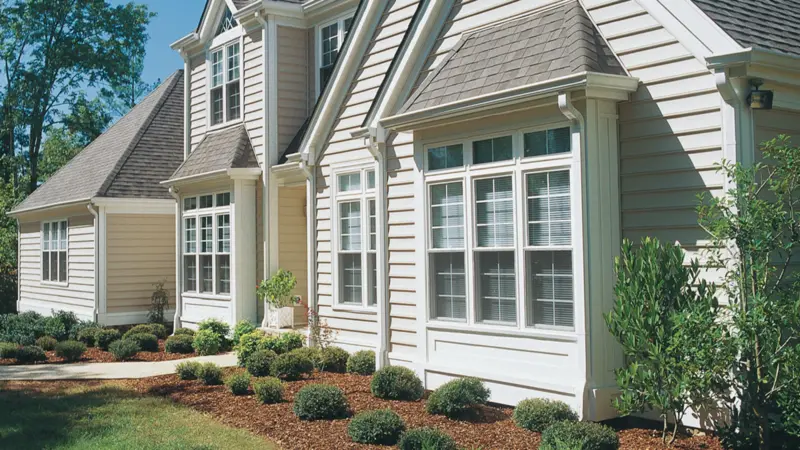
As we age, finding affordable and comfortable housing becomes increasingly important. Fortunately, there are options available for seniors to rent high-quality housing at discounted prices. In this guide, we will explore some tips and resources to help seniors find the perfect place to call home.
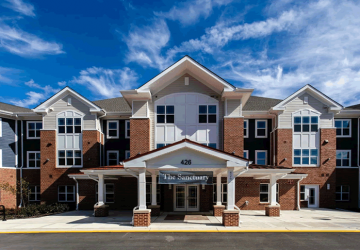
The aging members of the baby boomer cohort are now transitioning into their retirement years, leading to an increased focus on housing options that address seniors' particular necessities. "Senior Apart" is an emerging concept that marries autonomy with a sense of community, offering support and a secure environment for older individuals. This piece delves into the realm of "Senior Apart" lifestyle, looking at its advantages and drawbacks, and how it is transforming the retirement experience.