Sleep holds the key to maintaining good physical condition, sound mental health, and heightened productivity. Unfortunately, a number of individuals encounter sleeping difficulties, which can result in exhaustion and various other health complications. The good news is that through the implementation of validated techniques, one can enhance the quality of their slumber and enjoy a peaceful night's rest. Here, we delve into seven strategies, rooted in scientific research, that promise to elevate the quality of your sleep to help you rise each morning feeling energized and revitalized.

Maintain a Regular Sleep Pattern:It's important to anchor your sleep patterns with a consistent timetable. Endeavor to retire to bed and arise at uniform times daily, weekends included. Such regularity will synchronize your body's biological clock and facilitate the natural initiation and conclusion of sleep.
Develop a Pre-Sleep Ritual:Activities that promote relaxation prior to bedtime can cue your system that it's time to simmer down. Lowering lights, reading, doing light stretching exercises, or soaking in a warm bath can all serve as part of a tranquil routine that eases you from daytime pressures into a restful sleep state.
Minimize Blue Light Exposure:The blue light from digital screens is notorious for hindering melatonin production, a hormone key to sleep regulation. Curtail screen usage at least one hour preceding sleep, or employ blue light filters on your gadgets to lessen its disruptive effects.
Optimize Your Bedroom:The bedroom should be a sanctuary conducive to sleep. Make sure it is sufficiently cool, dark, and quiet. Invest in supportive mattresses and pillows to accommodate your favored sleeping posture. By crafting an inviting sleep environment, you encourage better rest.
Watch Your Eating Habits:Shun large meals, caffeine, and alcohol before bedtime as they can impede your sleep. Lighter, nourishing meals and herbal teas are preferred night-time consumables to foster relaxation and a smooth transition to sleep.
Incorporate Physical Activity:Regular exercise is beneficial for sleep enhancement. Aim for a minimum of 30 minutes of moderate exertion on very days. Still, it's top to avoid intense workouts close to bedtime as they might overstimulate you, presenting a barrier to falling asleep.
Address Stress and Anxieties:Sleep interruptions are often traceable to stress and anxiety. Employ stress-reduction practices, such as meditation, deep breathing exercises, or progressive muscle relaxation at the end of the day. Writing in a journal or discussing your concerns can also aid in silencing the mind for a restful night.
Sleep is a foundational element of our health, and proactively working to improve it can be transformative for our daily life. To enhance your rest, consider these seven actionable strategies: adherence to a sleep schedule, the initiation of a bedtime routine, restricting blue-light exposure, creating a proper sleep setting, mindful eating, routine exercise, and effective stress management. Building healthy sleep habits often requires time and dedication, and it's important to be patient during this process. By making sleep a priority, you stand to gain immeasurable benefits for both your physical and mental state. Wishing you restful nights and a life filled with rejuvenation.






It's crucial to harmonize the costs of insurance premiums with those expenses you may need to pay yourself when seeking senior insurance to effectively control your healthcare spending. We are going to delve into various tactics to achieve a balanced approach toward these two types of expenses.

In our modern, hectic world, the time to labor over complex recipes is a luxury many of us don't have. Nevertheless, through efficient meal planning and a selection of swift, flavorsome dishes, those on a tight schedule can still indulge in delightful home-cooked food. This piece presents 15 scrumptious, easy-to-make dishes that cater to time-restricted food enthusiasts, guaranteed to please the palate.

Ensuring you're properly prepared for a dental implant procedure requires attention to detail across several key areas, including your health, logistics, mindset, and planning for after the surgery. Here's a detailed outline providing important information and advice to help you get ready effectively.

Maintaining proper care of your dental implants is crucial for their durability and for keeping your mouth healthy. This guide provides you with detailed knowledge and actionable tips for proper implant maintenance, which will help ensure their continued performance and visual attractiveness. Adhering to these recommendations will assist you in maintaining the structural integrity and enduring success of your implants, enhancing your bright and vigorous smile.

Ensuring you maintain good oral hygiene is vital for not just a beautiful smile, but for your general health as well. While it's important to have regular check-ups with your dentist, it's just as critical to be diligent about your daily dental care routine at home. We're going to explore five essential habits that help maintain top-notch oral health.
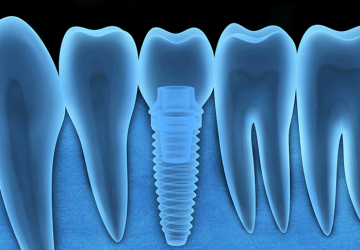
Recent years have seen remarkable changes in dental medicine, particularly with the introduction of dental implants. These advanced solutions were once deemed futuristic but are now the preferred choice for replacing lost teeth, providing a combination of long-lasting function and visual appeal. We explore the significance of dental implants in contemporary dentistry and the cutting-edge progressions that are pushing dental care to new heights.

A healthy smile goes beyond just brushing your teeth. Taking care of your gums is equally important, as gum disease can lead to various oral health issues. Flossing is a crucial step in maintaining healthy gums, as it helps remove plaque and bacteria from hard-to-reach areas between your teeth. In this ultimate guide, we will cover everything you need to know about flossing, from the basics of technique to the benefits it provides.
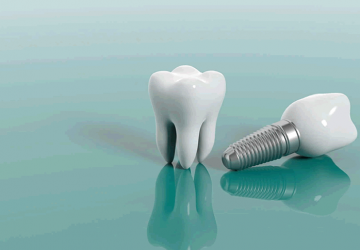
The advent of dental implant technology has been a game-changer in addressing the issue of missing teeth, leaving a significant mark on oral health practices. Whereas conventional options like dentures and bridges came with their own set of drawbacks, including potential bone loss and discomfort, dental implants have set a new benchmark for restoring both the functionality and aesthetic appeal of a patient's smile. This article delves into the transformative journey and consequential effects of dental implant advancements on dental care.