Securing the right car insurance can be tricky, but with savvy guidance, you'll be prepared for any bumps on the road.

Navigating the intricacies of car insurance coverage and the claims process can often be puzzling for drivers. Understanding your policy and knowing how to efficiently file a claim can save a substantial amount of time and money. This article offers valuable tips on both understanding car insurance coverage and navigating the claims process with ease.
Coverage Tips
Know Your Policy
1. Read Your Policy Thoroughly: Familiarize yourself with the terms and conditions of your policy. Pay close attention to the coverage limits, deductibles, and exclusions.
2. Understand the Types of Coverage: Most car insurance policies include liability, collision, and comprehensive coverage. Liability covers damages you cause to other vehicles or property, while collision and comprehensive cover damages to your vehicle from accidents, theft, or environmental factors.
3. Ask About Optional Coverages: Identify any additional coverage that may be beneficial, like uninsured motorist coverage, personal injury protection (PIP), or roadside assistance.
Choose the Right Deductibles
4. Balance Costs: Opting for a higher deductible can reduce your premiums, but ensure you can afford the out-of-pocket expenses if you need to file a claim.
Review Your Coverage Annually
5. Keep Your Policy Current: Regularly review your policy to ensure that it still meets your needs—especially after major life changes such as buying a new car or moving to a different area.
Claims Tips
Be Prepared Before an Accident
1. Keep Important Information Handy: Always have your insurance card, vehicle registration, and a list of emergency contacts in your car.
2. Know What Your Insurance Covers: Being aware of the specifics of your coverage will help you understand which costs will be covered in case of an accident.
At the Scene of the Accident
3. Stay Calm and Document Everything: Take photos of the scene, the vehicles involved, and any visible damages. Obtain contact information from the other driver(s) and any witnesses.
4. Never Admit Fault: Be cautious when discussing the incident and avoid assuming blame or admitting liability at the scene.
Filing the Claim
5. Report Promptly: Notify your insurance company as soon as possible to begin the claims process. Delays can complicate the process and affect your coverage.
6. Provide Complete Information: Offer a thorough account of the incident and provide all the necessary documentation, including photos and police reports if available.
7. Understand the Process: Your insurance provider should explain the next steps, including vehicle assessment, repair approvals, and payment procedures.
During the Claims Process
8. Stay Organized: Keep records of all communication with your insurance company, including names, dates, and details discussed.
9. Follow Up: Don't hesitate to reach out to your adjuster for updates or to clarify any concerns you may have.
10. Ask About a Rental: If your policy includes rental reimbursement, inquire about the process for arranging a rental car while yours is being repaired.
After the Claim
11. Review the Settlement Offer: Ensure the compensation covers your losses and that you understand the basis for the payout.
12. Dispute Incorrect Decisions: If you disagree with the insurer's evaluation or settlement, present your evidence and be prepared to discuss your case further or seek external review.
Conclusion
Navigating car insurance and the associated claims process doesn't have to be complex. By understanding your policy's coverage options and limits, staying informed about the claims process, and communicating effectively with your insurance provider, you can manage your policy with confidence. Remember, insurance is not just about meeting legal obligations; it's a proactive measure to protect your financial wellbeing. With these tips in hand, you'll be well-positioned to handle whatever the road throws your way.





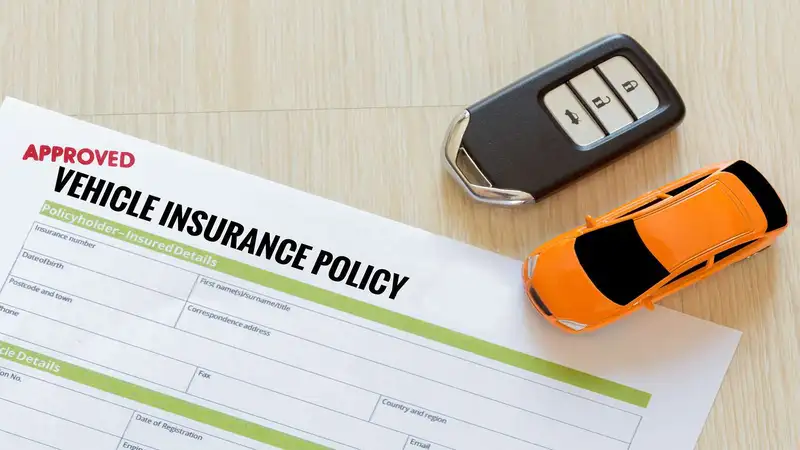
Securing car insurance can be as complex as it is necessary. Understanding the variables that affect your premiums, like your driving record and coverage options, is essential.

Financial security, effective estate planning, and financial flexibility are pillars of a robust personal finance strategy. This guide aims to provide actionable advice for those wishing to achieve solidity and adaptability in their financial and estate planning endeavors.

Securing the right car insurance protects you financially and legally on the road.

Life insurance is a powerful tool for anyone, especially seniors. It provides peace of mind and financial security for your loved ones when you're no longer there to provide for them. However, for seniors, finding affordable life insurance can seem daunting. This guide aims to dispel confusion, guiding you through finding affordable life insurance tailored to your unique needs.

Navigating the complexities of insurance policies can seem overwhelming. This guide helps demystify the process, making it easier for you to make informed decisions.

Navigating car insurance choices can be overwhelming. This guide aims to clarify your options, ensuring you make informed decisions for financial security.

When planning for the future, a complementary mix of financial security, estate planning, and flexibility is paramount. This ensures your self-reliance and peace of mind.