Securing the right car insurance protects you financially and legally on the road.

Car insurance can often seem like a complex maze of options, rates, and jargon that can be tough to navigate. Understanding the nuances of your car insurance coverage, the significance of policy limits, and how they work is crucial for any driver. This guide aims to simplify the particulars of car insurance, enabling you to make informed decisions and steer clear of common pitfalls that could leave you vulnerable in the event of an incident.
Understanding the Basics of Car Insurance Coverage
Car insurance is designed to help protect you financially by covering the cost of unforeseen expenses in the event of car-related mishaps. There are several standard types of coverage that you should be familiar with:
1. Liability Insurance: This type of insurance is usually mandatory and covers damage that you may cause to other people or their property. It doesn’t cover the damage to your own vehicle or your personal injuries. There are two components to liability insurance: Bodily Injury Liability and Property Damage Liability.
2. Collision Insurance: This coverage is optional and pays for damage to your vehicle resulting from a collision with another vehicle or an object, such as a guardrail or a tree.
3. Comprehensive Insurance: Another optional coverage, comprehensive insurance takes care of damages to your car that aren't collision-related, such as theft, vandalism, fire, or natural disasters.
4. Medical Payments/Personal Injury Protection (PIP): Both coverages deal with medical expenses regardless of fault, but PIP may also cover additional expenses such as lost income.
5. Uninsured/Underinsured Motorist Protection: If you're hit by a driver who lacks sufficient insurance, this coverage will pay for your losses.
Selecting Your Policy Limits
Each type of coverage comes with a limit, the maximum amount your insurer will pay out for a claim. Let’s look closer at how to select the right policy limits:
- State Minimums: Each state has its own minimum requirements for liability coverage, but these may not be adequate for your personal needs. Experts frequently suggest carrying more than the minimum to safeguard your assets.
- Asset Protection: Your liability coverage should at least match the total value of your assets, including your house, savings, and investments. This protects you from lawsuits if you're found at fault in a serious accident.
- Consider Your Vehicle's Value: For collision and comprehensive coverages, consider the value of your vehicle. If you have a loan or lease, your lender may require certain limits and deductibles.
Deductibles vs. Premiums
Deductibles are what you pay before your insurance policy covers the rest of the costs. There’s a direct link between your deductible and premium: agreeing to a higher deductible generally reduces your premium. You should balance what you can afford to pay out-of-pocket if you file a claim versus what you are willing to pay on a regular basis in premiums.
Personalizing Your Coverage
Every driver has unique needs and risk factors when it comes to insurance. Reflect on your specific situation, including your driving habits, the environment you live and drive in, and the level of financial protection you are comfortable with.
Read the Fine Print
Policy terms and exclusions can make a huge difference in the event of a claim. Always read the fine print of your policy to understand what is covered and what isn't. If you're unsure, ask your insurance agent for clarification.
Regularly Review Your Policy
Your car insurance needs may evolve as life changes occur—such as getting married, moving, or purchasing a new vehicle. Review your policy at least once a year to ensure it still meets your needs.
Shopping Around
Never settle on the first quote you receive. Prices and coverage can differ significantly between insurers. Shop around, compare quotes, and don't hesitate to switch providers if you find a better deal.
Conclusion
Navigating car insurance requires a keen understanding of coverage types, an ability to determine the proper policy limits, and the insight to adjust deductibles that sync with your financial circumstances. By thoroughly considering these factors, you can tailor a car insurance policy that offers robust protection without overpaying for coverage you may not need. Effective navigation today means smoother sailing tomorrow, should you ever need to rely on your car insurance in the aftermath of an accident or other incidents on the road.





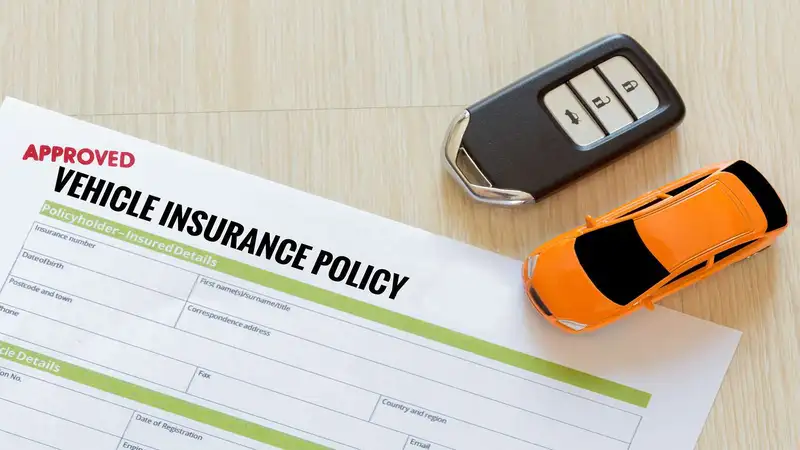
Securing car insurance can be as complex as it is necessary. Understanding the variables that affect your premiums, like your driving record and coverage options, is essential.

Financial security, effective estate planning, and financial flexibility are pillars of a robust personal finance strategy. This guide aims to provide actionable advice for those wishing to achieve solidity and adaptability in their financial and estate planning endeavors.

Securing the right car insurance can be tricky, but with savvy guidance, you'll be prepared for any bumps on the road.

Life insurance is a powerful tool for anyone, especially seniors. It provides peace of mind and financial security for your loved ones when you're no longer there to provide for them. However, for seniors, finding affordable life insurance can seem daunting. This guide aims to dispel confusion, guiding you through finding affordable life insurance tailored to your unique needs.

Navigating the complexities of insurance policies can seem overwhelming. This guide helps demystify the process, making it easier for you to make informed decisions.
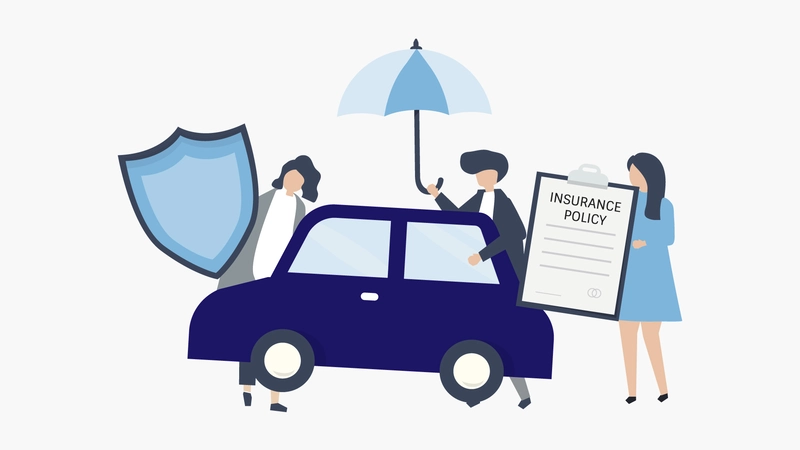
Navigating car insurance choices can be overwhelming. This guide aims to clarify your options, ensuring you make informed decisions for financial security.

When planning for the future, a complementary mix of financial security, estate planning, and flexibility is paramount. This ensures your self-reliance and peace of mind.